Welcome to Qingdao Steel Building Co., Ltd.
The Backbone of Modern Architecture: The Enduring Strength of Structural Steel
02-25
2026
The Backbone of Modern Architecture: The Enduring Strength of Structural Steel
In the ever-evolving world of construction, few materials have proven as versatile, reliable, and essential as structural steel. From the soaring skyscrapers that define our city skylines to the expansive bridges that connect our communities, steel provides the invisible skeleton upon which our built environment depends.
But what makes this alloy of iron and carbon the undisputed champion of modern construction? Beyond its obvious strength, structural steel offers a unique combination of properties that continue to make it the material of choice for engineers and architects around the globe.
Unmatched Strength and Durability
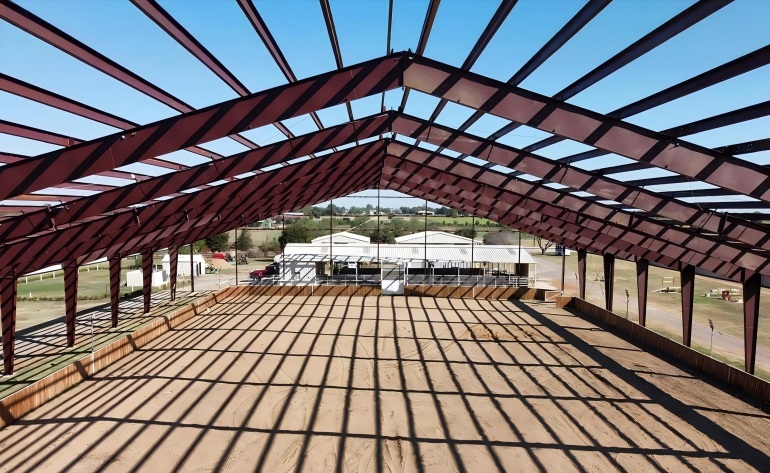
The primary allure of structural steel lies in its high strength-to-weight ratio. It can span vast distances and support immense loads while being significantly lighter than alternative materials like concrete. This inherent strength allows for the creation of open, column-free interior spaces that are highly desirable in modern commercial buildings, warehouses, and sports stadiums.
Furthermore, steel is non-combustible and does not warp, rot, or mold. When properly protected, it offers exceptional durability, standing up to the elements and the test of time. This resilience ensures the longevity of the structure and reduces the need for extensive repairs associated with other building materials.
The Sustainability Champion
In an era where environmental consciousness is paramount, steel stands out as a leader in sustainable construction. It is the most recycled material on the planet. A steel beam used in a building today may have lived a previous life as a car, a washing machine, or an older structure.
This inherent recyclability does not compromise its quality; steel can be recycled indefinitely without losing its strength. The use of recycled steel in new construction significantly reduces the carbon footprint of a project, conserving energy and natural resources. For projects aiming for green building certifications like LEED, structural steel provides a significant advantage.
Precision, Speed, and Efficiency
The modern construction process relies heavily on precision, and steel delivers. Structural steel members are fabricated in a controlled manufacturing environment to exact specifications long before they ever reach the job site. This process, known as pre-fabrication, minimizes on-site errors, reduces waste, and ensures a perfect fit.
When the steel arrives on site, the erection process is quick and efficient. Because the components are precisely made, they can be assembled rapidly with bolted or welded connections. This speed of construction translates directly to lower labor costs and faster project completion times, allowing buildings to become operational sooner. This predictable and streamlined process is a major logistical advantage, especially on congested urban sites or projects with tight schedules.
Design Flexibility and Future Adaptability
Steel’s ductility—its ability to bend without breaking—makes it an ideal material for withstanding dynamic forces such as high winds and seismic activity. This flexibility allows architects to push the boundaries of design, creating daring, cantilevered structures and sweeping, curved forms.
Looking beyond the initial build, steel offers a distinct advantage in adaptability. As the needs of a building's occupants change over time, a steel frame can often be modified, reinforced, or even partially dismantled to accommodate new uses. This "design for deconstruction" approach means that a steel building is not a static entity but a long-term asset that can evolve, further extending its lifecycle and contributing to a more circular economy.
The Future is Steel
As we look to the future of construction, new innovations are only strengthening steel’s position. The development of high-performance steels, such as weathering steel and advanced high-strength grades, continues to push the limits of what is possible. Furthermore, the integration of digital tools like Building Information Modeling (BIM) creates a seamless digital thread from design and fabrication to erection and facility management.
In conclusion, structural steel is more than just a building material; it is a foundational component of modern progress. Its blend of strength, sustainability, precision, and adaptability ensures that it will continue to be the backbone of our most ambitious structures for generations to come.