Welcome to Qingdao Steel Building Co., Ltd.
Steel Structure Farms: The Future of Modern Agriculture in South America
03-16
2026
Steel Structure Farms: The Future of Modern Agriculture in South America
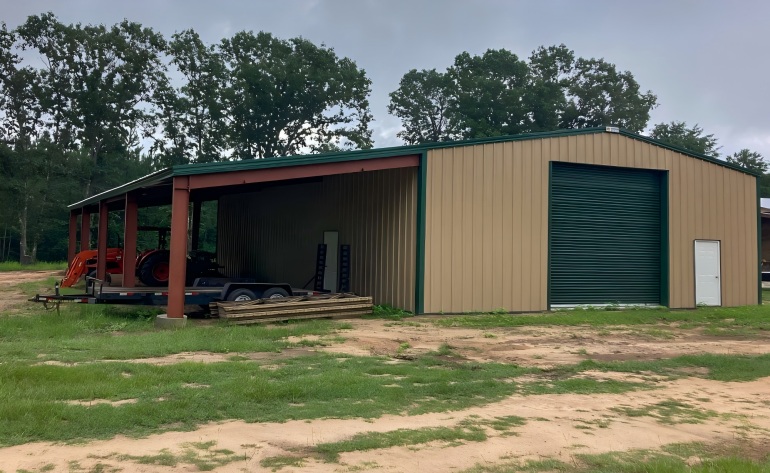
South America, a land of abundant arable land, diverse climates, and booming agricultural potential, is witnessing a transformative shift in farm infrastructure. As the region’s agriculture moves toward modernization, efficiency, and sustainability, steel structure farms have emerged as a game-changing solution, perfectly adapting to the unique geographical and climatic challenges of the continent.Unlike traditional farm structures made of wood or concrete, steel structure farms offer unparalleled advantages that align with the needs of South American agricultural operations—from the tropical lowlands of Brazil to the temperate valleys of Argentina, and from the coastal regions of Chile to the highlands of Peru. These structures are engineered to thrive in the continent’s varied conditions, addressing key pain points faced by local farmers and agricultural enterprises.One of the most significant benefits of steel structure farms is their exceptional durability and resilience. South America is no stranger to extreme weather—from heavy rainfall and high humidity in the Amazon Basin to strong winds along the coasts and seismic activity in Andean regions. Steel, with its high tensile strength and corrosion-resistant properties (when properly treated), can withstand these harsh conditions without warping, rotting, or structural damage. Unlike wooden barns that are vulnerable to termites and moisture, steel structures require minimal maintenance, reducing long-term costs and ensuring longevity that spans decades.Flexibility and adaptability are another core advantage of steel structure farms, making them suitable for the diverse agricultural practices across South America. Whether used for livestock housing, crop storage, greenhouse cultivation, or machinery shelters, steel structures can be customized to meet specific operational needs. The modular design allows for easy expansion or reconfiguration, enabling farmers to scale their operations as their business grows—critical in a region where agricultural production often expands with market demand. Additionally, the clear-span design of steel structures eliminates the need for internal columns, maximizing usable space for equipment movement, livestock grazing, or crop storage, which is essential for large-scale commercial farming.Sustainability and cost-effectiveness further solidify steel structures as the ideal choice for South American agriculture. Steel is a fully recyclable material, aligning with the global trend toward green and low-carbon farming practices. By choosing steel, farmers can reduce their environmental footprint while investing in a long-lasting asset. Moreover, the prefabrication of steel components in factories ensures precise manufacturing, faster on-site assembly, and lower labor costs compared to traditional construction methods. This rapid construction minimizes disruption to farming activities, allowing farmers to put their structures into use quickly and start generating returns sooner.Climate adaptation is a key consideration for any farm structure in South America, and steel structures excel in this regard. For tropical regions with high temperatures and humidity, steel structures can be equipped with ventilation layers, reflective insulation, and ridge-type air vents to reduce indoor temperatures and prevent ammonia accumulation—critical for livestock health and crop preservation. In coastal areas with high salt spray, anti-corrosion coatings and treatments ensure the structure remains intact for years, while in seismic zones, the flexibility of steel absorbs seismic forces, enhancing structural safety.As South America’s agricultural sector continues to evolve, the demand for efficient, durable, and adaptable farm infrastructure will only grow. Steel structure farms are not just a trend—they are a long-term investment that empowers farmers to overcome regional challenges, improve operational efficiency, and embrace modern agricultural practices. From small family farms to large commercial operations, steel structures are reshaping the future of agriculture in South America, offering a reliable, sustainable, and cost-effective solution for the continent’s unique needs.In a region where agriculture is the backbone of the economy, choosing the right infrastructure is crucial. Steel structure farms provide the strength, flexibility, and durability needed to thrive in South America’s diverse environments, supporting the growth of a more efficient, sustainable, and prosperous agricultural industry.