Welcome to Qingdao Steel Building Co., Ltd.
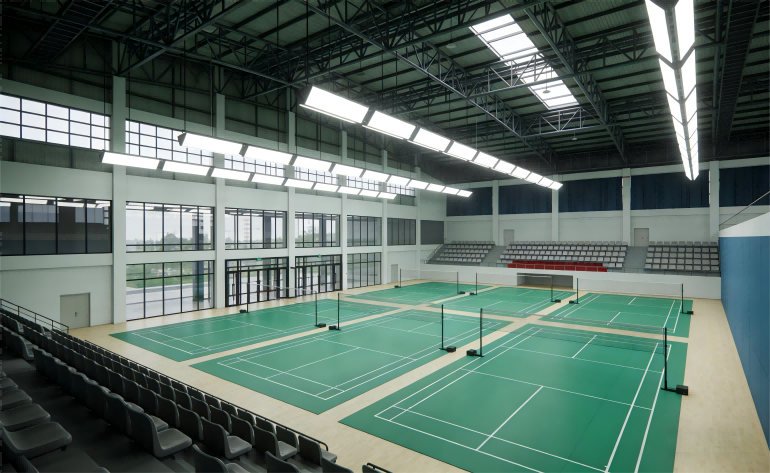
Steel Structure Badminton Courts: The Ultimate Choice for Durability and Performance
12-15
2025
Steel Structure Badminton Courts: The Ultimate Choice for Durability and Performance
Badminton, a sport loved by millions worldwide for its speed, agility, and social appeal, demands a venue that matches its dynamic nature. Whether you’re building a community sports center, a school facility, or a professional training complex, the choice of structure plays a pivotal role in the court’s functionality, longevity, and user experience. Today, we’re diving into why steel structure badminton courts have emerged as the gold standard for modern sports facility construction.
1. Unmatched Durability: Built to Withstand the Test of Time
One of the most compelling reasons to opt for a steel structure is its exceptional durability. Unlike traditional materials like wood or concrete, steel boasts inherent resistance to moisture, corrosion (when properly treated), pests, and extreme weather conditions. For badminton courts—where consistent surface tension and structural stability are non-negotiable—this means:
- Weather Resilience: Steel frames can withstand heavy rain, strong winds, and even extreme temperatures, making them suitable for both indoor and semi-outdoor installations. No more worrying about warped beams or water damage ruining your court.
- Low Maintenance: Steel structures require minimal upkeep compared to other materials. A periodic inspection and protective coating (if needed) are enough to keep the frame in top condition for decades—far longer than the lifespan of many concrete or wooden alternatives.
- Structural Stability: Steel’s high tensile strength ensures the court’s frame remains rigid, even under the weight of lighting systems, ventilation equipment, or overhead storage. This stability is crucial for maintaining the badminton court’s precise dimensions and surface flatness, which directly impact gameplay.
2. Flexible Design: Tailored to Your Needs
Badminton courts come in various sizes and configurations—from single courts for residential use to multi-court complexes for tournaments. Steel’s versatility makes it easy to adapt to any design requirement, offering unparalleled flexibility:
- Span Freedom: Steel beams can span large distances without the need for intermediate columns. This means you can create wide-open spaces for multiple badminton courts, eliminating obstacles that disrupt gameplay or limit spectator visibility.
- Customizable Dimensions: Whether you need a standard 13.4m x 6.1m singles court or a larger doubles setup, steel structures can be precision-engineered to match exact measurements. You can also integrate additional spaces like locker rooms, coaching areas, or equipment storage seamlessly into the design.
- Quick Installation: Most steel components are prefabricated in factories, which reduces on-site construction time significantly. A typical steel structure badminton court can be assembled in a fraction of the time it takes to build a concrete one—getting your facility up and running faster, whether you’re meeting a tight deadline or eager to open to the public.
3. Cost-Effective: A Smart Long-Term Investment
While the initial cost of steel may be slightly higher than some traditional materials, its long-term cost benefits make it a more economical choice:
- Reduced Construction Costs: Prefabrication minimizes on-site labor hours and waste, lowering overall construction expenses. Additionally, steel’s lightweight nature reduces the need for heavy foundation work, further cutting costs.
- Lower Operational Costs: Steel’s durability translates to fewer repairs and replacements over time. Unlike wooden structures that may rot or concrete that can crack, steel requires little maintenance, saving you money on upkeep year after year.
- Energy Efficiency: Steel structures can be easily insulated to regulate temperature, reducing heating and cooling costs for indoor courts. This is a major plus for facilities looking to lower their carbon footprint and energy bills.
4. Eco-Friendly: Building for a Sustainable Future
Sustainability is no longer a buzzword—it’s a priority for many facility owners. Steel checks all the boxes when it comes to green construction:
- Recyclable: Steel is 100% recyclable, and recycled steel retains the same strength as virgin steel. This reduces the demand for raw materials and minimizes landfill waste.
- Low Embodied Carbon: The production of steel has become increasingly energy-efficient, and many steel manufacturers use renewable energy sources. Choosing steel helps lower the carbon footprint of your badminton court project.
- Modular and Reusable: Steel structures can be disassembled and relocated if needed, making them a flexible, sustainable option for temporary or portable badminton courts.
Real-World Success: Steel Courts in Action
Across the globe, steel structure badminton courts are becoming the go-to choice for major sports facilities. For example, the National Badminton Center in the UK upgraded its courts to steel frames, citing improved stability and reduced maintenance costs. Local community centers in Asia—where badminton is a national passion—have also adopted steel structures to meet the growing demand for accessible, high-quality courts.
Final Thoughts: Why Settle for Less?
A badminton court is an investment in health, community, and sport. Choosing a steel structure ensures that investment stands strong for years—offering durability, flexibility, cost savings, and sustainability. Whether you’re a facility manager, investor, or sports enthusiast, steel is the ultimate choice for a court that performs as hard as the players who use it.Ready to build your steel structure badminton court? Share your project goals in the comments, and we’ll help you turn your vision into reality!