Welcome to Qingdao Steel Building Co., Ltd.
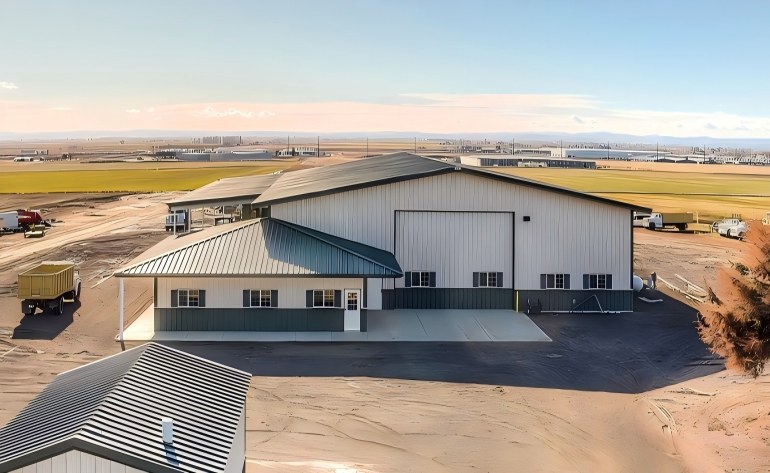
Steel Structure Agricultural Warehouse: A Comprehensive Guide & Benefits
01-06
2026
Steel Structure Agricultural Warehouse: A Comprehensive Guide & Benefits
For farmers, agricultural businesses, and rural operators, a reliable warehouse is more than just storage—it’s the backbone of efficient crop management, equipment protection, and supply chain stability. In recent years, steel structures have emerged as the go-to choice for agricultural warehouses, outperforming traditional materials like wood or concrete in durability, versatility, and cost-effectiveness. In this guide, we’ll explore why steel is ideal for agricultural storage, key considerations for installation, and how it can elevate your farming operations.
Why Steel Structures Stand Out for Agricultural Warehouses
Agricultural environments pose unique challenges: exposure to harsh weather (extreme temperatures, rain, wind, pests), the need for flexible space, and long-term reliability with minimal maintenance. Steel addresses all these pain points, making it a superior investment for modern agriculture.
1. Unmatched Durability & Weather Resistance
Steel is inherently resistant to rot, mold, termites, and corrosion (when treated with anti-rust coatings), a critical advantage over wood that deteriorates quickly in damp or humid farm conditions. It also boasts exceptional structural strength—withstanding heavy snow loads, strong winds, and even seismic activity—ensuring your crops, machinery, and supplies stay safe year-round. Unlike concrete, steel doesn’t crack under temperature fluctuations, making it suitable for all climates, from hot, arid regions to cold, snowy areas.
2. Cost-Efficiency & Quick Installation
Steel components are prefabricated in factories, meaning on-site installation is faster and less labor-intensive than building with concrete or wood. This reduces construction downtime, allowing you to start using your warehouse sooner—critical for time-sensitive agricultural operations (e.g., harvest season storage). Additionally, steel requires minimal maintenance over its lifespan (often 50+ years), lowering long-term costs compared to materials that need frequent repairs or replacement.
3. Flexible & Scalable Design
Agricultural needs evolve—one year you may need space for grain storage, the next for farm machinery or processed goods. Steel structures offer unmatched flexibility: open-span designs (without internal columns) maximize usable space, and the modular nature allows for easy expansion or modification. Whether you need a small shed for tools or a large-scale facility for bulk crop storage, steel can be customized to fit your exact dimensions and purpose.
4. Eco-Friendly & Sustainable
Steel is 100% recyclable, making it a green choice for environmentally conscious farmers. Unlike wood, which contributes to deforestation, steel reuses existing materials without losing strength. Additionally, steel warehouses can be insulated efficiently, reducing energy consumption for climate-controlled storage (e.g., for perishable crops or seeds). Many steel manufacturers also use low-emission processes, aligning with sustainable farming practices.
Key Applications of Steel Agricultural Warehouses
Steel’s versatility makes it suitable for a wide range of agricultural uses, including:
- Grain & Crop Storage: Airtight, moisture-resistant steel warehouses protect grains (wheat, corn, rice) from spoilage, pests, and moisture. They can be equipped with ventilation systems and temperature controls for long-term storage.
- Machinery & Equipment Shelter: Steel structures shield tractors, harvesters, and other expensive equipment from the elements, preventing rust and mechanical damage.
- Animal Feed Storage: Keeps feed dry and free from contaminants, ensuring livestock health. The durable design resists gnawing from rodents and pests.
- Processed Agricultural Products: Ideal for storing packaged goods (e.g., canned fruits, dried vegetables) or housing processing equipment, thanks to its clean, easy-to-maintain surface.
- Greenhouses & Nursery Storage: Steel frames support greenhouse coverings (polyethylene, glass) and provide stable storage for seedlings, fertilizers, and gardening tools.
Important Considerations When Choosing a Steel Agricultural Warehouse
To get the most out of your steel warehouse, keep these factors in mind during planning:
- Local Climate: Opt for corrosion-resistant steel (e.g., galvanized steel) in coastal or high-humidity areas. For snowy regions, ensure the structure is engineered to handle heavy snow loads.
- Customization Needs: Work with a manufacturer to design for your specific use case—e.g., add ventilation for grain storage, overhead doors for machinery access, or insulation for climate control.
- Regulatory Compliance: Check local building codes and agricultural regulations for storage safety, especially for hazardous materials (e.g., pesticides) or bulk crop storage.
- Budget & Long-Term Value: While upfront costs may be higher than wood, steel’s lifespan and low maintenance make it a better long-term investment. Consider financing options or modular builds to fit your budget.
Final Thoughts: Invest in Steel for Agricultural Success
A steel structure agricultural warehouse isn’t just a building—it’s an investment in the efficiency, reliability, and sustainability of your farming operation. Its durability, flexibility, and cost-effectiveness make it the perfect solution for modern farmers looking to protect their assets and scale their business. Whether you’re storing crops, equipment, or processed goods, steel delivers the performance and peace of mind you need.
Ready to design your custom steel agricultural warehouse? Contact our team of experts today to get a free quote and tailored solution for your farm’s unique needs!
Leave a Comment
Have you used a steel warehouse for your agricultural operations? Share your experience or questions below!