Welcome to Qingdao Steel Building Co., Ltd.
Key Fundamentals: 9 Insights on Steel Structure
03-25
2026
Key Fundamentals: 9 Insights on Steel Structure
Any steel structure project requires a solid grasp of fundamental knowledge before construction.
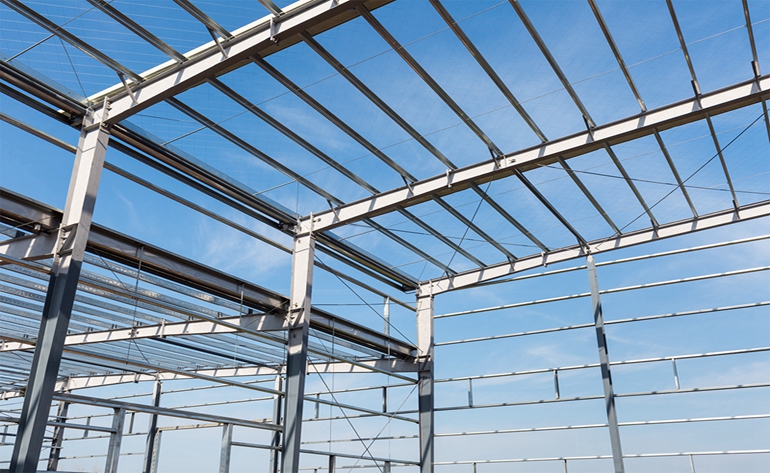
Steel-structured buildings have become mainstream in modern construction and represent one of the most prevalent structural systems today.Owing to steel’s advantages such as light weight, high strength, large spanning capacity, and fast construction speed, prefabricated steel buildings are extensively applied across diverse projects, ranging from workshops, warehouses, and aircraft hangars to logistics centers, office blocks, hospitals, schools, and commercial complexes.Driven by ongoing progress in steel manufacturing technology, continuous updates in structural design theories, and innovations in architectural concepts, the merits of steel structure buildings have become increasingly evident across numerous sectors, particularly in terms of energy efficiency, environmental sustainability, and overall construction productivity.
Steel Structure Expertise: An Analysis of Building Applicability
Prior to the implementation of any steel structure project, both the design and construction teams are required to have a thorough command of steel structure fundamentals, and clearly identify which types of buildings are suitable for steel structural systems. This involves a comprehensive analysis of the building’s functional demands, span dimensions, load-bearing specifications, and surrounding environmental conditions. The inherent advantages of steel structures render them highly applicable for high-rise constructions, large-span spaces, and structures with strict durability requirements. They deliver superior structural support and flexibility, making them the preferred solution for numerous high-standard construction projects.
Choose the proper steel structure
Steel structures are available in a diverse range of configurations, and distinct building demands necessitate the selection of appropriate structural types. Drawing on core steel structure principles, typical systems include steel frames, grid structures, and spatial steel structures. Each structural category possesses unique merits and limitations, so a rational selection must be made according to the specific attributes of the project. For instance, steel grid structures are ideal for constructions demanding large spans and column-free interiors, whereas steel frame systems are more applicable for general industrial workshops and conventional office buildings.
Construction Duration Analysis for Steel Structure Building Projects
The construction timeline for prefabricated steel building projects is typically shorter than that of conventional concrete structures—this advantage is particularly pronounced in large-scale industrialized construction, where the prefabrication and standardization of steel components can substantially boost construction efficiency. A solid grasp of steel structure expertise enables project teams to formulate rational construction plans, ensure the timely delivery of materials, and facilitate seamless collaboration across departments, thereby shortening the overall project duration. Nevertheless, the length of the steel structure construction cycle is also influenced by multiple factors, including project scale, design complexity, and on-site construction conditions.
Quality Assurance Measures for Steel Structure Buildings
The quality of steel structures directly dictates the safety and service life of buildings, making quality control a pivotal aspect of steel structure expertise. In steel structure construction projects, it is imperative to strictly adhere to relevant national and industry standards, ensuring that every stage—from design, fabrication, to on-site construction—complies with specified requirements. Throughout the entire process, ranging from steel material procurement and processing to welding and installation, each link demands qualified material quality, standardized construction procedures, as well as the implementation of necessary testing and monitoring measures.
Gaining a Comprehensive Understanding of Steel Structure Project Basics
A solid understanding of steel structure basics—including core principles, structural characteristics, and material selection criteria—is critical to safeguarding project quality. Equally essential is an in-depth mastery of relevant design specifications, construction codes, and inspection/acceptance standards, as these form the cornerstone of ensuring a project’s stability and safety. Furthermore, prior to commencing construction on prefabricated steel structure buildings, the acquisition of corresponding building permits is mandatory. This requirement not only serves as a legal prerequisite for compliance but also guarantees that all construction operations adhere to regulatory frameworks, thereby facilitating the smooth progression of the project.
Select a Steel Structure Builder with Rich Practical Experience
Selecting a qualified and experienced steel structure contractor is pivotal to the success of a project. Steel structure projects typically consist of two core phases: component fabrication and on-site installation. Opting for a suitable contractor directly influences the project’s quality and timeline. Leveraging their expertise in steel structures, clients have the flexibility to entrust both fabrication and installation to a single contractor or separate the two phases, assigning them to different specialized suppliers. Seasoned contractors are capable of delivering more rational design schemes and construction recommendations, while ensuring strict adherence to project quality standards.
Budget Planning & Cost Control for Steel Structure Building Projects
A thorough understanding of budgeting and cost control for steel structure buildings is equally indispensable. The total cost of prefabricated steel structure projects typically encompasses material procurement, component fabrication and processing, transportation, and on-site installation expenses. With a solid grasp of steel structure expertise, clients can gain clearer insights into the budget breakdown and exercise reasonable cost control based on factors such as the building’s type, scale, and selected materials. Customized steel specifications or large-span structural designs usually lead to increased costs; however, rational design optimization and structural refinement can effectively mitigate unnecessary expenditures.
Progress Management for Steel Structure Building Construction
The construction schedule of steel structure projects is influenced by a diverse array of variables, such as the project’s overall scale, design intricacy, material procurement efficiency, and on-site working conditions. Armed with a comprehensive understanding of steel structure fundamentals, project management teams can craft more rational construction schedules and guarantee the seamless integration of each construction phase. To ensure both quality compliance and timely project completion, it is crucial to foster open communication and robust collaboration between the on-site construction team and the design team.
Core Advantages of Steel-Structured Buildings
Compared to conventional concrete structures, steel buildings offer distinct advantages. To begin with, the fabrication, processing, and erection processes for steel structures are significantly more efficient than those for concrete. Since steel manufacturing largely takes place in factories and follows standardized protocols, components can be prefabricated off-site well in advance, thereby substantially reducing on-site construction timelines. Furthermore, steel structures tend to have relatively stable costs. While market variations can influence steel pricing, these fluctuations are generally milder, making the overall budget of steel structure projects more predictable and manageable.
Conclusion: The Significance of Mastering Steel Structure Knowledge
Steel structure construction represents a complex and critical engineering undertaking that involves a wide range of procedures and professional disciplines. A solid command of steel structure expertise, together with the selection of a qualified contractor, rational budget planning, and effective control over project progress and quality, can guarantee the smooth implementation of steel structure projects and ultimately lead to successful delivery. Mastering professional knowledge related to steel structures is essential for all project participants, serving as the fundamental basis for achieving efficient, high-quality construction outcomes.