Welcome to Qingdao Steel Building Co., Ltd.
Why Joint Design Matters for Steel Structure Performance
09-09
2026
Why Joint Design Matters for Steel Structure Performance
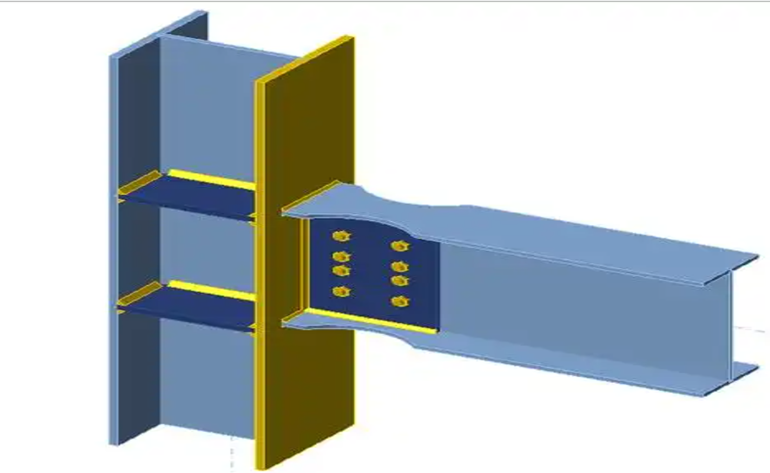
Steel structural joints serve as load‑transfer interfaces between separate steel members, enabling the whole frame to behave as one integrated structural system. These joints are engineered to safely conduct multiple forms of loads throughout the framework, including:
- Axial tension and compression forces
- Shear actions
- Bending moments
- Lateral wind‑induced forces
- Earthquake‑triggered seismic loads
- Dynamic crane‑related loads
For industrial and commercial steel‑building projects, connections frequently endure substantial static loads, recurring dynamic impacts and harsh surrounding environmental exposure. Consequently, how joints are detailed exerts a direct influence on multiple project‑related outcomes:
- Overall structural stability
- On‑site construction progress
- Precision levels of off‑site fabrication
- Subsequent maintenance requirements
- Long‑term service life and durability
- Total construction investment of the whole project
Well‑thought‑out joint layouts can further streamline field erection workflows and minimize assembly mistakes that commonly occur during on‑site installation.