Welcome to Qingdao Steel Building Co., Ltd.
Steel Structure Farm Buildings for Modern Agriculture
05-05
2026
Steel Structure Farm Buildings for Modern Agriculture
The Indispensable Roles of Steel Farm Buildings in Modern Agriculture
In the era of contemporary farming, steel structures have evolved into multifunctional backbones that address diverse operational needs—from asset protection to sustainable management. Their unique combination of durability, adaptability, and efficiency makes them irreplaceable for farms striving to meet modern productivity and environmental standards.
1. Safeguarding Equipment and Harvests with Reliable Storage
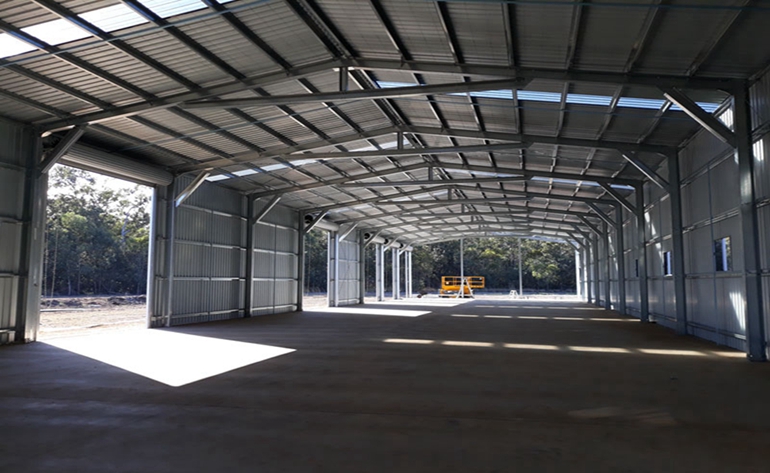
For farmers, protecting valuable assets is a top priority, and steel farm buildings deliver unmatched security for agricultural machinery and produce. Modern farms rely heavily on expensive equipment like tractors, harvesters, and irrigation systems—assets that suffer rapid degradation when exposed to rain, snow, or extreme temperatures. Steel structures provide a robust, weather-tight shelter that shields these tools from corrosion, rust, and physical damage. With their column-free, wide-span design, these buildings maximize usable space, allowing easy maneuvering of large machinery and convenient storage of bulk grains, fruits, and vegetables. Unlike traditional storage facilities, steel structures maintain stable internal conditions, preventing moisture buildup and pest infestations that ruin crops. This ensures both equipment and harvests remain in peak condition, preserving their value and minimizing losses.
2. Streamlined Spaces for Post-Harvest Processing and Packaging
Post-harvest operations—including sorting, cleaning, drying, and packaging—demand specialized environments that balance hygiene, functionality, and flexibility. Steel farm buildings are uniquely suited to this task, as they can be fully customized to meet the specific requirements of different crops and processes. Farmers can integrate insulation, advanced ventilation systems, and moisture control technologies to create optimal conditions that extend the shelf life of produce. Beyond processing, these structures often double as on-site distribution or direct sales hubs, particularly beneficial for small and medium-sized farms. By centralizing processing and packaging, farmers reduce logistical costs, cut down on transportation time, and ensure fresh produce reaches consumers or markets more quickly. This integration streamlines the entire post-harvest chain, boosting operational efficiency and profitability.
3. Hygienic, Adaptable Housing for Livestock
Animal welfare and biosecurity are non-negotiable in modern livestock farming, and steel buildings excel at supporting both. Unlike wooden or masonry structures that harbor mold, pests, and bacteria, steel surfaces are easy to disinfect and resistant to corrosion, creating a cleaner, healthier living environment for poultry, cattle, pigs, and other livestock. This reduces the risk of disease outbreaks, lowering veterinary costs and improving animal productivity. Steel’s structural flexibility also allows for easy adjustment of interior layouts, enabling farmers to adapt to changes in herd size, breeding practices, or regulatory requirements. Climate control systems can be seamlessly integrated to maintain stable temperatures and humidity levels, further enhancing animal comfort and well-being. For livestock operations, steel buildings are not just shelters—they are critical tools for upholding biosecurity standards and ensuring ethical, efficient farming.
4. Stable Frameworks for Controlled Greenhouse Cultivation
Year-round crop production has become a key goal for many farmers, and steel-framed greenhouses have emerged as the ideal solution. The inherent strength of steel allows for expansive, column-free designs that maximize sunlight exposure, while supporting durable, transparent materials like polycarbonate or tempered glass. This structural stability ensures the greenhouse can withstand harsh weather conditions—from strong winds to heavy snow—without compromising its integrity. Steel greenhouses enable precise control over temperature, humidity, and light levels, creating optimal growing conditions for vegetables, fruits, and flowers regardless of the external climate. By reducing reliance on seasonal weather patterns, these structures support consistent yields and reduce the need for chemical pesticides and fertilizers. For farmers aiming to expand production cycles and meet year-round market demand, steel-framed greenhouses offer unmatched reliability and control.
5. Integrated Facilities for Staff Support and Administrative Operations
Modern farming is a complex operation that requires dedicated spaces for staff and administration, and steel buildings can be seamlessly configured to fulfill these needs. From worker changing rooms and rest areas to offices for operational coordination and training, these structures provide comfortable, energy-efficient environments that support staff well-being and productivity. Administrative spaces within steel farm buildings serve as command centers for managing day-to-day operations, coordinating logistics, and training employees on new technologies or farming practices. For large-scale farms, having these facilities on-site fosters professionalism, improves communication, and ensures smooth workflow management. By integrating staff and administrative needs into a single, versatile structure, steel buildings contribute to a more organized, efficient farm operation.
6. Long-Term Economic Value and Environmental Sustainability
Steel farm buildings offer compelling economic and environmental benefits that extend far beyond their initial construction. Their prefabricated components enable rapid on-site assembly, reducing labor costs, shortening construction timelines, and minimizing downtime for farm operations. Steel’s exceptional durability means these structures require minimal maintenance and can last for decades without major repairs, delivering significant long-term cost savings. Environmentally, steel is one of the most sustainable building materials available. With a recycling rate exceeding 90%, it aligns perfectly with the growing focus on eco-friendly farming practices. Many steel manufacturers now use recycled materials in production, and steel buildings can be easily equipped with solar panels, rainwater collection systems, and other green technologies to reduce environmental impact. For farms committed to sustainability, steel structures represent a responsible choice that balances economic viability with environmental stewardship.
Conclusion: Building the Foundation for Agricultural Progress
Steel farm buildings have become an essential component of modern agricultural infrastructure, offering versatility, durability, and efficiency that traditional structures cannot match. From protecting assets and streamlining operations to supporting sustainability and innovation, they address the diverse challenges of contemporary farming head-on. As the agricultural sector continues to evolve in response to global demands for increased productivity, food security, and environmental responsibility, steel buildings will remain at the forefront—providing the stable, adaptable foundation needed for farms to thrive now and in the future.