Welcome to Qingdao Steel Building Co., Ltd.
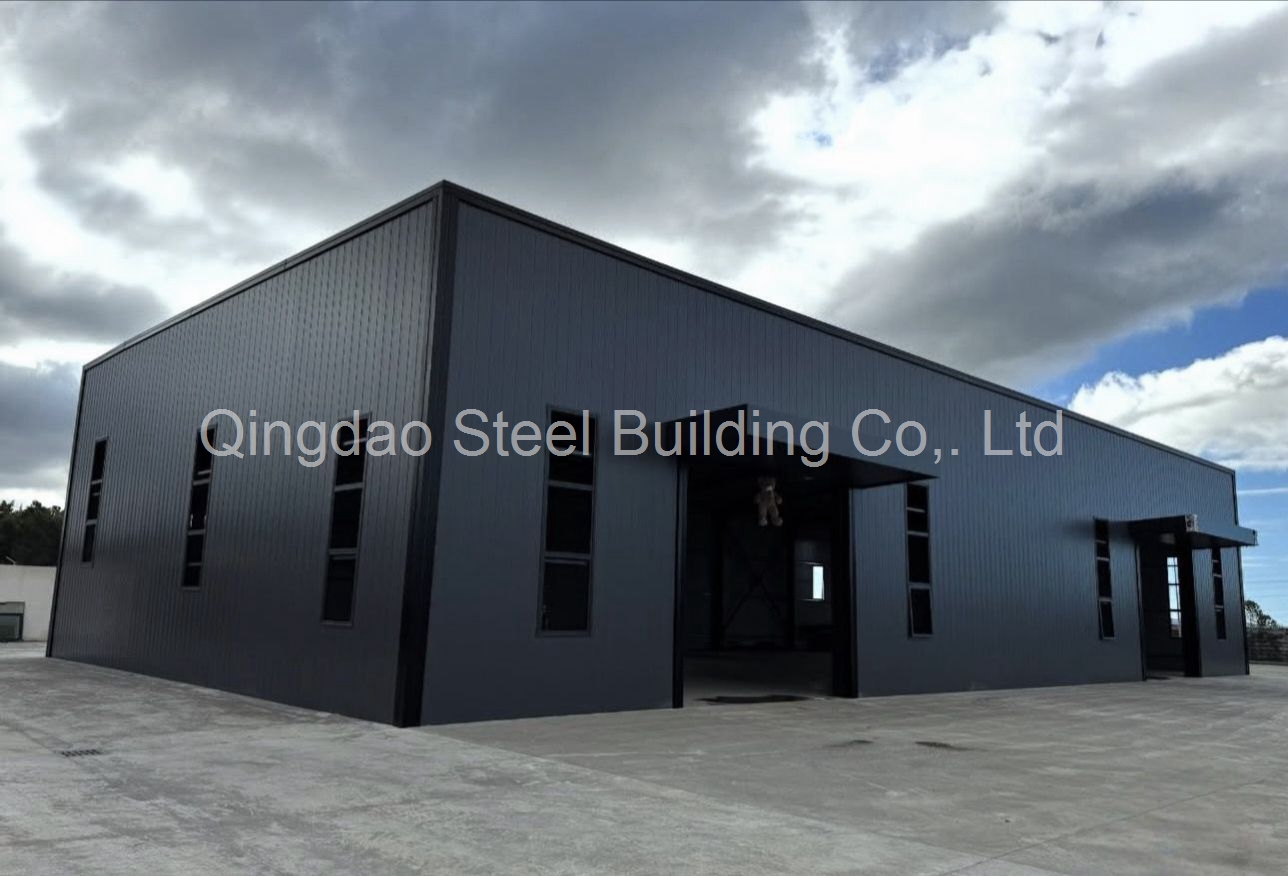
Prefab Steel Warehouse
01-22
2026
Prefab Steel Warehouse
To optimize the selection and implementation of a prefab steel warehouse in 2026, project owners should focus on the following 1.systemic considerations:1. Strategic Planning & Layout
- Space Optimization: Determine if your operations require a single-span layout (ideal for unobstructed movement in logistics) or a multi-span design (cost-effective for very large footprints).
- Scalability: Utilize modular bay systems to ensure the structure can be extended in the future without compromising the original integrity.
- Clear Height: Define height requirements based on specific storage technology, such as Automated Storage and Retrieval Systems (ASRS) or high-bay racking.
2. Technical Specifications
- Material Protection: Ensure all components feature high-grade galvanization or specialized coatings to mitigate corrosion, especially in coastal or high-humidity environments.
- Environmental Resilience: Designs must be tailored to local seismic zones and peak wind loads to meet 2026 building safety standards.
- Insulation: For cold storage or temperature-sensitive goods, integrate high-performance sandwich panels (PUR/PIR) to maintain thermal efficiency.
3. Execution & Procurement
- Off-Site Fabrication: Leverage factory-controlled manufacturing to minimize on-site waste and ensure precision in structural fit.
- Labor Efficiency: Prioritize bolted connections over on-site welding to accelerate assembly and reduce the need for specialized on-site labor.
- Budget Management: Balance the "tonnage" of steel against structural complexity; simpler designs generally offer the best ROI for bulk commodity storage.