Welcome to Qingdao Steel Building Co., Ltd.
Why Wall Bracing Is Indispensable for Steel Structure Building
06-29
2026
Why Wall Bracing Is Indispensable for Steel Structure Building
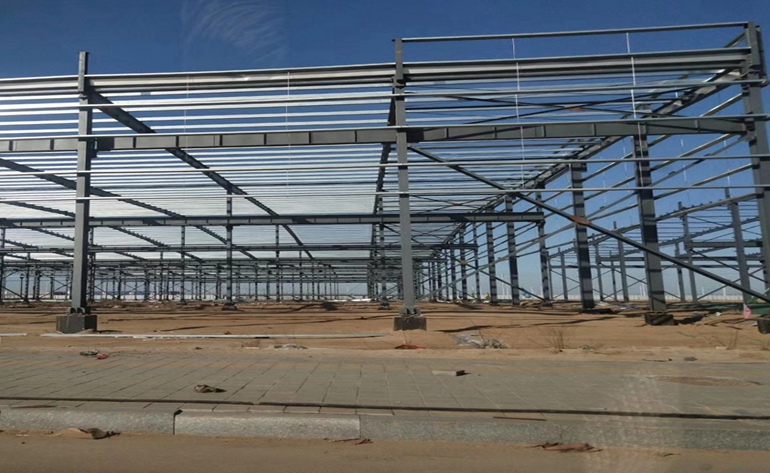
Wall bracing is an essential structural component for all prefabricated steel buildings. Unlike traditional rigid masonry structures, steel frames are lightweight, flexible, and inherently slender. Without proper wall bracing, steel buildings cannot resist external loads, maintain structural stability, or meet building code requirements. Wall bracing acts as the “skeletal stiffener” of steel wall systems to ensure long-term safety and structural integrity.
1. Resist Lateral External Loads
Steel buildings are extremely vulnerable to horizontal lateral forces, which are the main cause of frame deformation and collapse. Wall bracing forms a stable structural grid to disperse and offset these forces effectively.Wind Loads: Strong wind creates positive pressure on building exterior walls and negative suction on leeward sides. Unbraced steel walls will bend, deflect, or even suffer frame overturning under high wind pressure. Wall bracing transfers wind force from wall panels to the main frame, foundation, and ground, avoiding local deformation.Seismic Loads: During earthquakes, horizontal shaking forces impact the entire building. Wall bracing enhances the overall rigidity of the steel structure, reduces structural sway and vibration amplitude, and prevents frame loosening or collapse during seismic activity.
2. Maintain Overall Structural Stability & Prevent Frame Sway
Pre-engineered steel buildings consist of independent columns, rafters, and light-gauge wall panels. These separate components lack natural rigidity on their own. Without wall bracing, the entire frame will produce excessive lateral sway and torsional displacement under daily external forces.Wall bracing connects scattered steel components into an integrated, rigid whole. It limits horizontal and diagonal movement of wall columns, corrects frame torsion, and ensures the building remains plumb and stable for long-term use. It effectively avoids common problems such as tilted walls, bent columns, and loose bolt connections.
3. Support Vertical Load Distribution
In addition to resisting horizontal forces, wall bracing assists in bearing and transferring vertical loads. It shares the dead load of wall panels, the weight of exterior finishing systems, and partial live loads from roof and ceiling structures.Reasonable bracing arrangement balances vertical stress distribution on steel columns, prevents local overloading and concentrated stress, and protects thin-walled steel components from buckling or compressive deformation. This greatly improves the overall load-bearing efficiency of the steel frame.
4. Protect Wall Panels & Exterior Finishes
Metal wall panels, insulation layers, and exterior trim are thin and fragile, unable to bear independent structural stress. Excessive frame deflection will cause panel deformation, gap enlargement, fastener loosening, and water leakage.Wall bracing minimizes structural deflection and vibration, keeping wall panels flat and intact. It prevents cracking of sealing joints, peeling of exterior coatings, and damage to door and window openings, reducing later maintenance and repair costs.
5. Meet Building Code & Engineering Standards
All mainstream steel building design codes and construction specifications explicitly require wall bracing systems for prefabricated metal buildings. Bracing is a mandatory structural measure rather than an optional accessory.Standardized wall bracing installation ensures the building passes structural safety inspection, meets wind resistance, seismic resistance, and structural stability design indexes, and complies with legal construction and acceptance requirements.
6. Avoid Common Structural Failures Without Wall Bracing
Steel buildings lacking qualified wall bracing are prone to irreversible structural problems in service:
- Persistent frame sway and wall shaking under wind conditions
- Steel column bending, torsion, and permanent deformation
- Fastener falling off, panel dislocation, and building water seepage
- Progressive structural instability, leading to overall collapse in extreme weather
Common Types of Steel Building Wall Bracing
- Cable Bracing: The most common diagonal steel cable bracing, cost-effective and suitable for most standard steel buildings
- Metal Strap Bracing: Flat steel strip bracing for stable wall plane reinforcement
- Rigid Frame Bracing: Hard steel pipe or angle steel bracing for high-wind and seismic-intensive areas
- Plywood/Metal Panel Shear Bracing: Uses wall panels as shear walls to enhance overall rigidity
Core Summary
Steel buildings need wall bracing primarily because of their light weight, flexible frame, and low natural rigidity. Wall bracing is the key system to resist lateral wind and seismic loads, integrate scattered frame components, stabilize structural deformation, protect exterior wall systems, and meet national building safety standards. It is indispensable for the safety, stability, and durability of all metal steel buildings.